
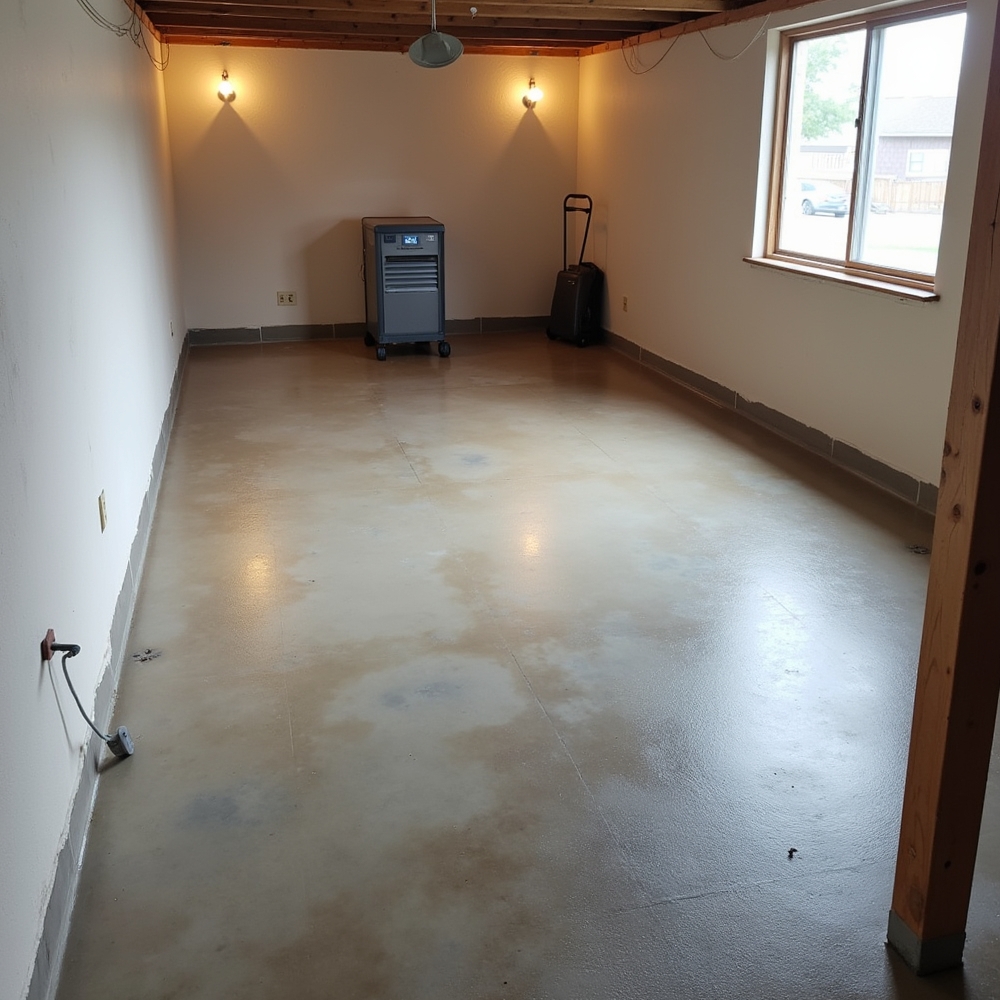
Basement moisture is a common challenge for many homeowners in Colorado Springs, especially given the region’s fluctuating weather and occasional high humidity periods. At True Finishes, we understand the importance of addressing moisture issues before applying epoxy coatings to basement floors. Moisture not only affects the performance and durability of epoxy but can also create bigger problems like mold growth and structural degradation if not properly remedied.
Why It’s Crucial to Address Basement Moisture First
Before applying any epoxy coatings, identifying and resolving moisture problems is essential. Epoxy is known for its superior durability and aesthetic appeal, but it requires a dry, stable surface to adhere properly. Ignoring moisture issues can lead to early coating failure, bubbling, or peeling.
According to the Environmental Protection Agency (EPA), interior humidity should be maintained below 60% to prevent mold development, particularly in basement environments. When humidity and moisture levels are high, it creates the perfect conditions for mold growth—an issue that can worsen once a basement is sealed with epoxy, essentially trapping moisture beneath the surface.
Colorado Springs Basement Conditions: What To Know
Located at the base of the Rockies, Colorado Springs experiences unique geological and weather conditions. Clay-heavy soil and freeze/thaw cycles can lead to hydrostatic pressure on basement walls and slabs, pushing moisture into the concrete. This often isn’t visible at first glance but becomes apparent when floor coatings fail prematurely due to underlying dampness.
How Moisture Affects Epoxy Coatings
Epoxy coatings depend on proper substrate conditions for long-term performance. If the concrete slab in your basement has too much moisture, epoxy will struggle to bond, ultimately resulting in delamination or bubbling. The International Concrete Repair Institute (ICRI) recommends that the moisture vapor emission rate should be below 3 lbs per 1000 sq.ft. per 24 hours for optimal epoxy adhesion.
Furthermore, a scientific study published in the Journal of Building Physics found that concrete with moisture content exceeding 3% significantly compromises the performance of the epoxy. That’s why we emphasize detailed surface evaluation and preparation before initiating any coating application.
Signs of Moisture in Your Basement
Not sure if you have a moisture issue? Here are common red flags:
- Efflorescence—a white, powdery residue on walls or floors
- Damp or musty smells
- Visible mold or mildew formation
- Condensation on windows or walls
- Paint bubbles or chipping from the surface
If you notice any of these signs, it is crucial to take action before applying epoxy to your floors.
Basement Moisture Testing & Mitigation
At True Finishes, we perform moisture testing prior to every epoxy installation. We use state-of-the-art tools such as calcium chloride tests and RH meters to determine if your concrete meets required moisture thresholds.
Depending on the results, we offer moisture mitigation strategies including:
- Dehumidification and ventilation improvements
- Concrete sealers and vapor barriers
- Sump pump installation and drainage correction if necessary
- High-performance epoxy primers designed to tolerate elevated moisture
The Importance of Professional Floor Preparation
Even with ideal moisture levels, proper floor preparation is the key to epoxy success. Our comprehensive floor preparation services include cleaning, grinding, and profiling the concrete to ensure a long-lasting bond. We also remove any residual contaminants, patch defects, and smooth the substrate to readiness before any epoxy coating is applied.
Our Process for Moisture-Aware Epoxy Installation
Each project in Colorado Springs begins with an in-depth evaluation. Here’s how we handle jobs when basement moisture is a concern:
- Initial Assessment: We visit your home and assess the scope, condition, and overall moisture exposure of your basement.
- Moisture Testing: Using accurate methods like calcium chloride or in-slab probes.
- Surface Preparation: Grinding and cleaning the surface to create a suitable profile.
- Moisture Mitigation: Applying specialty primers or recommending remediation measures for long-term moisture control.
- Epoxy Application: A multi-layer system of primer, epoxy base, and topcoat to ensure resistance and longevity.
Why Choose True Finishes?
We’ve built a reputation throughout Colorado Springs and the greater Front Range area for high-quality epoxy floor coatings backed by thorough preparation. Our team works diligently to diagnose issues before they become problems, saving you time and money in the long run.
If you suspect your basement may have moisture problems—or you want to be sure it doesn’t before investing in a new epoxy floor—contact True Finishes today. We’re trusted specialists in moisture mitigation and epoxy floor systems.
Contact us to schedule your evaluation:
- Phone: 303-761-1012
- Email: info@truefinishing.com
- Website: truefinishing.com
Final Thoughts
Basement moisture in Colorado Springs isn’t just a nuisance—it’s a serious factor in the quality and lifespan of your epoxy floor coatings. Investing in proper moisture testing and preparation ensures that your epoxy flooring will look better and last longer. Let True Finishes help you take the right steps from the start so you can enjoy a beautiful, long-lasting basement floor without the worry of moisture-related issues down the road.