
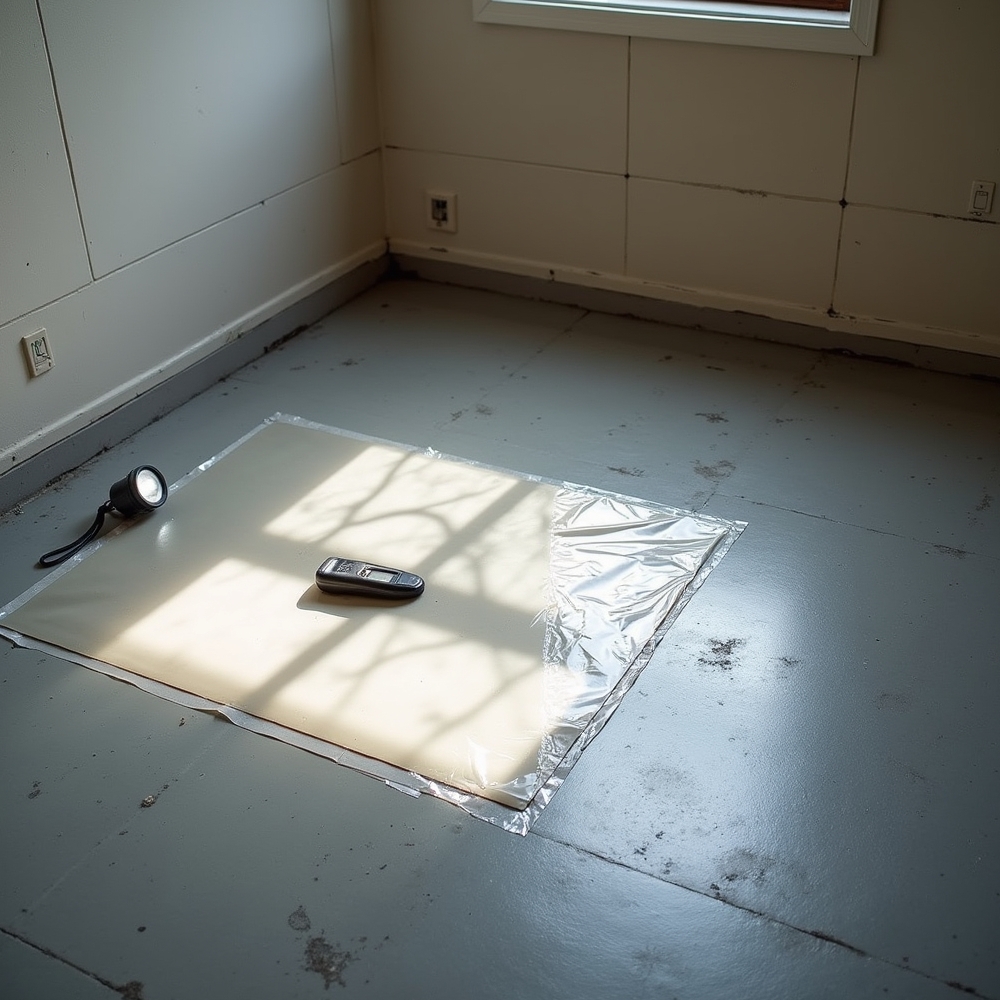
Protecting your basement flooring from moisture is essential—especially in a city like Denver, where fluctuating temperatures and occasional flooding increase the risk of moisture-related damage. If you’re planning to apply an epoxy coating to your basement floor, performing a thorough basement floor moisture test is a non-negotiable step. At True Finishes, we specialize in professional floor preparation and epoxy coatings, and we’ve seen firsthand how poor moisture assessment can lead to premature floor failures.
In this guide, we’ll walk you through the importance of basement floor moisture testing, the methods recommended by industry experts, and how you can ensure your epoxy installation lasts for years. Whether you’re a homeowner getting ready to seal your concrete or a contractor working on a high-performance garage or basement, understanding moisture testing is key to a successful project in the Denver area.
Why Moisture Testing Matters
Installing epoxy flooring without checking for moisture beneath a concrete slab is a gamble you don’t want to take. Research from the International Concrete Repair Institute (ICRI) shows that nearly 40% of epoxy flooring failures stem from inadequate moisture testing and control. In many cases, moisture hidden within the porous concrete slowly works its way to the surface, disrupting adhesion and causing bubbling, delamination, or discoloration.
Altitude, shifting weather patterns, and soil conditions all contribute to moisture challenges unique to Denver. So, even if your basement feels dry to the touch or hasn’t shown visible signs of moisture before, it’s still crucial to complete a thorough floor inspection before any epoxy is applied.
What Causes Basement Moisture in Denver?
Denver’s diverse climate—with cold winters and warm summers—can lead to condensation, hydrostatic pressure, and other issues that allow moisture to rise through basement slabs. Additional contributing factors include:
- Heavy snowmelt in springtime seeping into foundations
- Improper grading or landscaping around the home
- Unsealed or poorly sealed concrete foundations
This makes it especially important to assess and mitigate moisture risks before moving on to epoxy application. Fortunately, there are proven testing methods that can help.
Best Methods for Basement Floor Moisture Testing
Two of the most effective tools for basement moisture detection include the Calcium Chloride Test (ASTM F1869) and the Relative Humidity Test (ASTM F2170). Each tests for moisture in concrete slabs in unique ways but are both widely accepted and reliable.
1. Calcium Chloride Test (ASTM F1869)
The calcium chloride test measures the moisture vapor emission rate (MVER) of a concrete slab. You place calcium chloride in a dish under a plastic dome for 60–72 hours. The test captures the moisture that escapes from the slab’s surface during this time.
According to a study published in the Journal of Performance of Constructed Facilities, using moisture testing methods like this one can reduce epoxy failures by as much as 60%. That’s a huge margin when considering the cost of epoxy application and potential remediation.
2. Relative Humidity Test (ASTM F2170)
This method uses in-situ probes inserted into holes drilled into the concrete. The sensors read the relative humidity within the slab, revealing potential future moisture emissions that may not be currently visible. This test is especially helpful for understanding how the concrete may behave over time, and is highly recommended in Denver’s climate fluctuations.
According to ASTM F2170, floors with relative humidity levels above 75% pose a 50% higher risk of epoxy adhesion failure. If your readings are higher than 75%, moisture mitigation should be performed before proceeding with an epoxy application.
How to Conduct These Tests Properly
While DIY kits are available at many home improvement stores, we recommend hiring professionals like our team at True Finishes to ensure accuracy and compliance with industry standards. Moisture testing requires controlled temperature conditions, calibrated equipment, and precise timing—all of which affect the readings you get.
Our expert technicians bring years of experience in floor preparation, including advanced moisture diagnostics. We also offer mitigation solutions such as vapor barriers or sealants to address any issues before your epoxy is applied.
When to Test for Moisture
Ideally, testing should be done after new concrete is fully cured (typically 28 days) and before any coatings are applied. Also, scheduling your test during Denver’s more humid months (spring and summer) can expose hidden moisture risks that wouldn’t be obvious during colder seasons.
A good rule of thumb: if you’re unsure about your basement’s moisture levels—or if it’s been more than a year since any moisture-related inspection—it’s time to test.
What to Do If Moisture Is Found
Don’t panic. Encountering moisture issues doesn’t mean you have to forgo epoxy. Instead, it’s a sign that a moisture mitigation solution should come first. Depending on the severity of the moisture presence, we may recommend:
- Concrete surface sealers
- Epoxy vapor barriers
- Installing a dehumidifier in the space
- Improving exterior drainage or gutter systems
Once these steps are taken and the floor is retested and cleared, your basement will be ready for a flawless and long-lasting epoxy application.
Why Choose True Finishes for Moisture Testing and Epoxy Prep
At True Finishes, we take pride in providing premium floor coatings that stand the test of time. Our certifications, materials, and attention to detail ensure nothing is left to guesswork. From basement floor moisture testing to preparation and final epoxy layers, our Denver-based team has your back.
We adhere to ASTM standards and ICRI recommendations in every job we do, making sure your floors live up to their aesthetic and functional potential. Whether you’re in Lakewood, Aurora, or closer to downtown Denver, our experts arrive equipped and ready.
Get Started with Moisture Testing Today
Don’t let an avoidable mistake cost you your investment. Contact the experts at True Finishes to schedule a professional basement floor moisture test in Denver. We’ll diagnose moisture levels, recommend solutions if needed, and prepare your floors for a durable, beautiful epoxy coating.
Call us today at 303-761-1012 or email info@truefinishing.com to book a consultation.
Visit our floor preparation page to learn more about our epoxy-ready services and moisture mitigation solutions.
Make the right start. Because exceptional floor finishes begin beneath the surface.