
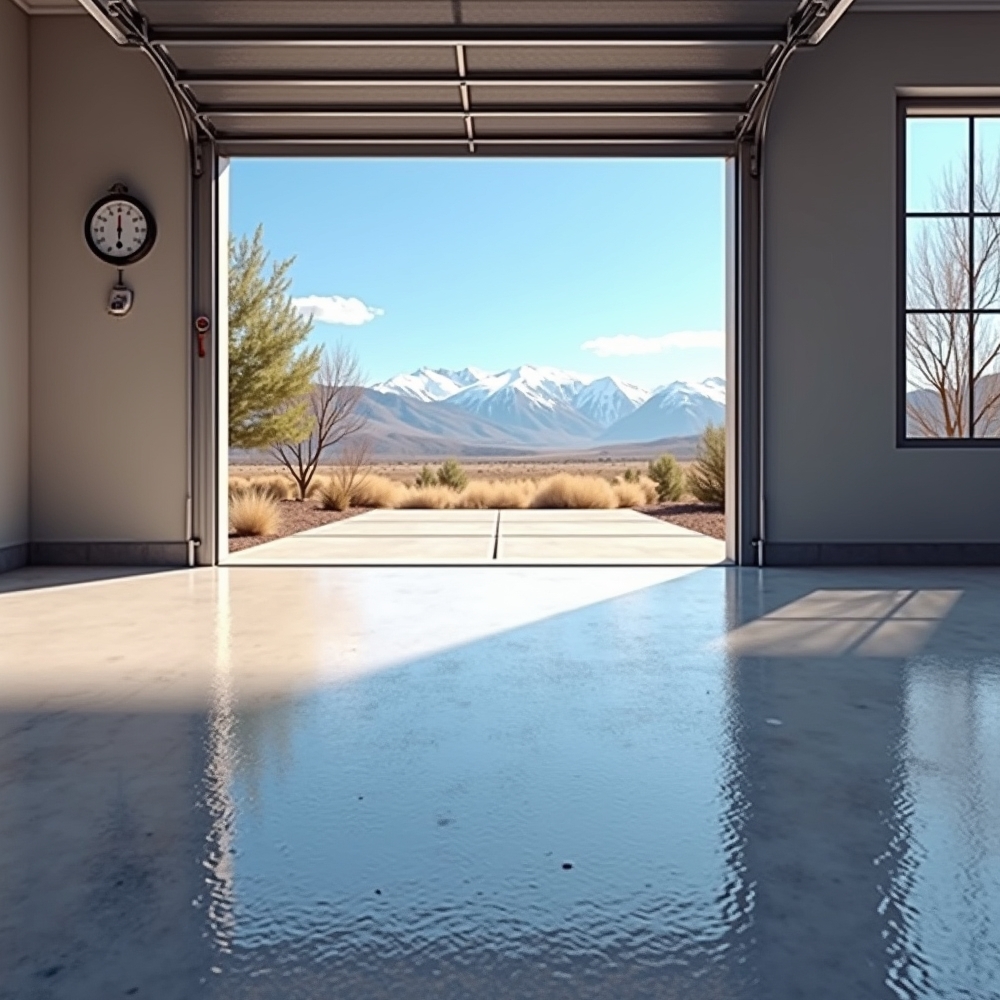
Epoxy flooring is a durable and attractive solution for residential, commercial, and industrial spaces. However, if you’re considering installing epoxy floors in Denver, one of the most critical factors to understand is epoxy cure time. Due to Denver’s unique climate—characterized by high altitude, low humidity, and fluctuating temperatures—the curing process for epoxy can vary significantly from other regions. At True Finishes, we specialize in epoxy floor installations that are tailored to the region’s specific environmental conditions.
Understanding Epoxy Cure Time
Epoxy cure time refers to the amount of time required for the epoxy coating to fully harden and reach its maximum durability and chemical resistance. While some epoxies are advertised as “quick-set,” a full cure is necessary for long-term performance. Cure times are generally divided into three stages: initial cure (touch dry), recoat window, and full cure.
- Initial Cure: Usually within 6–12 hours, the surface becomes tack-free.
- Recoat Window: Typically 12–24 hours for adding another layer without sanding.
- Full Cure: The floor reaches full mechanical strength and chemical resistance, often within 5–7 days under ideal conditions.
Denver’s Climate and Its Impact on Cure Times
Denver’s climate presents some unique challenges when it comes to epoxy floor installation. Let’s break down the key climate factors that influence cure times:
1. Temperature
Temperature is a major contributor to how quickly or slowly epoxy sets. According to a study published in the Journal of Applied Polymer Science, epoxy coatings typically reach their full cure in about 7 days when ambient temperatures are maintained near 70°F—a feasible condition in Denver’s warmer months. However, temperatures in Denver can vary widely, especially in spring and fall, which can affect cure time significantly.
Research published in the journal Construction and Building Materials found that for every 10°F drop in ambient temperature, the cure time of epoxy increases by approximately 20%. This means that during late autumn or early spring, when temperatures may hover around 50°F, the cure time could extend by several days. This emphasizes the importance of controlled conditions during installation.
2. Humidity and Altitude
Denver’s high altitude not only results in lower atmospheric pressure but also lower humidity levels compared to sea-level regions. According to a report from the American Concrete Institute, environments like Denver can extend epoxy curing time by up to 15% compared to installations at sea level. Low humidity reduces the moisture in the air, which in turn slows down the chemical reaction that cures epoxy.
3. Wind and Air Circulation
Though often overlooked, wind and airflow also influence cure time. Good air circulation helps solvent vapors escape more quickly, which can aid in a more consistent cure. However, unregulated airflow—such as strong wind gusts or drafts—can lead to surface imperfections like bubbling or uneven curing, especially if dust and debris are present.
How to Optimize Epoxy Cure Time in Denver
To ensure a successful epoxy flooring installation with optimal cure time in Denver, the following best practices are essential:
Condition the Environment
Whenever feasible, regulate the indoor environment by using space heaters or HVAC systems to maintain ideal temperatures around 70°F. This step is especially important for epoxy floor installations in basements, garages, or commercial interiors.
Choose Seasonally Appropriate Timing
Plan your epoxy floor installation for late spring through early fall when temperatures are stable. Avoid cold snaps that could extend drying times dramatically or even compromise curing quality.
Select High-Quality, Climate-Modified Epoxy Products
At True Finishes, we use professional-grade epoxy systems designed to perform well in variable conditions like those found in Denver. These products often contain additives that help mitigate the impact of low humidity and are formulated to handle Colorado’s unique conditions.
Allow Adequate Full Cure Time
Even if the surface feels dry within a day or two, remember that epoxy isn’t fully cured for up to 7 days in optimal conditions—and potentially longer in Denver’s lower humidity and fluctuating temperatures. Avoid placing heavy furniture or subjecting the floor to chemical or water exposure before full cure is reached.
Common Pitfalls to Avoid
Homeowners and business owners may inadvertently shorten or extend the life of their epoxy floors due to missteps during curing such as:
- Applying epoxy in direct sunlight, which can cause premature drying and cracking.
- Failing to account for temperature drops overnight, particularly in garages.
- Walking or driving on the floor before full cure, leading to premature wear or de-lamination.
Why Choose True Finishes?
At True Finishes, we bring years of experience and in-depth knowledge of how epoxy behaves in Colorado’s Front Range. Whether you’re located in Aurora, Lakewood, Littleton, or anywhere else in the greater Denver area, we customize every installation to align with the specific environmental characteristics of your location.
Our team ensures proper surface preparation, selects climate-appropriate products, and implements environmental controls to give your floors a long-lasting, professional finish. From consultation to completion, we guide you through every step to ensure the curing process is optimized and the final result exceeds your expectations.
Get Started with Your Epoxy Floor Project
Ready to transform your space with beautiful, durable epoxy flooring? Let us handle the science behind the surface. Contact True Finishes today at 303-761-1012 or email us at info@truefinishing.com to schedule a free consultation. You can also explore more about our services at truefinishing.com.
With our knowledge and experience in epoxy floors and Denver’s climate, we’ll deliver a flawless finish that stands the test of time. Don’t let environmental factors dictate the outcome of your project—work with the specialists who understand them best.